 how-to
How to Stop Sewer Smells: 7 Steps to Fix It
Table of Contents
- Identify Where the Sewer Smell Is Coming From
- Fix a Dry P-Trap Sewer Smell
- Clear Clogged or Slow Drains Causing Sewer Smell from Drain
- Unblock Plumbing Vents and Improve Ventilation
- Recognize Sewer Line Blockage Symptoms
- Prevent Sewer Odors: Maintenance and Safety Tips
- When to Call a Professional for How to Stop Sewer Smells
- Frequently Asked Questions
Last Updated: October 7, 2026
Identify Where the Sewer Smell Is Coming From
To stop sewer smells, you don't always need a damaged main line repair, it could be one drain, a dry trap, or a blocked vent. Walk through your home and pinpoint where the smell is strongest: the kitchen sink, the bathroom, or a basement floor drain.
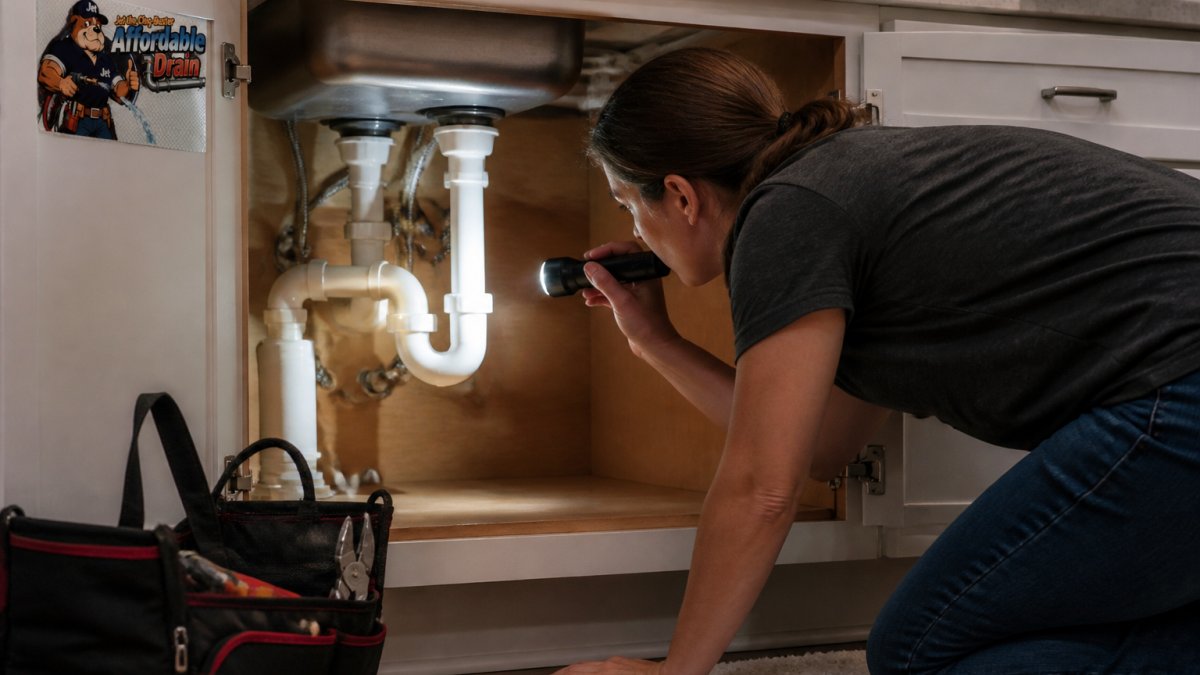
Check each drain in your home
Open cabinet doors under sinks and check the curved P-trap below. It should hold water; if it's dry, the seal is gone and sewer gas is rising through the drain. Sniff close to each sink, shower, and toilet drain and note which smell worst, that one is likely the source. Also check toilet bowls: low or dry water lets gas escape.
Inspect floor drains and unused fixtures
Floor drains in basements, laundry rooms, and garages dry out fast when unused, a leading cause of sewer odors. Pour water down any you find; if it hasn't been used in months, the trap is dry. Unused fixtures, old sinks, and showers are prime suspects too.
Fix a Dry P-Trap Sewer Smell
A dry P-trap is the easiest fix. The U-shaped pipe under your sink or shower holds water that seals out sewer gas. When it dries out, the seal breaks and the smell follows.
Why P-traps dry out
Unused drains lose their water seal, a guest bathroom or garage utility sink will eventually dry out. Slow drains contribute too: water sitting for weeks evaporates, leaving a partially dry trap. High heat and low humidity speed this up.
How to refill a P-trap
Pour water down the drain, a pitcher or 10 seconds of tap water fills the trap. Use about a quart for floor drains; run sinks and showers until water flows smoothly. If the drain is slow, don't force it. Refill unused drains monthly to keep the seal intact.
Clear Clogged or Slow Drains Causing Sewer Smell from Drain
Hair, soap, food, and grease build up inside drain pipes, feeding odor-causing bacteria. If water takes 30 seconds or longer to drain, the buildup is thick enough to cause problems.
Safe cleaning methods for drain odor
Start with boiling water weekly to break down grease and kill bacteria. For light buildup, pour in half a cup of baking soda, then half a cup of white vinegar, cover, wait 30 minutes, and flush with hot water. A plunger with a few inches of water in the sink can dislodge minor clogs. A drain snake (plumbing auger) reaches deeper to pull out hair and buildup; small ones cost under twenty dollars.
When DIY methods aren't enough
If the smell persists, the clog is deeper in the line. Skip harsh chemical cleaners, they damage pipes and are dangerous to handle. Professional hydro jetting uses high-pressure water to clean the entire pipe and remove years of buildup. At Affordable Drain, we use hydro jetting to restore flow and eliminate odors at the source, plus camera inspections to see exactly what's inside your pipes before we start.
Unblock Plumbing Vents and Improve Ventilation
Vent pipes run from your drains through the roof, letting sewer gas escape and air enter so drains work properly. A blocked vent traps gas inside, building pressure that pushes odors back through your drains, often with slow drains or gurgling. Check the roof for small PVC vent pipes blocked by snow, leaves, nests, or debris; clear blockages with a plumbing snake if you can access them safely.
Recognize Sewer Line Blockage Symptoms
If the smell returns after you've refilled traps, cleaned drains, and cleared vents, the problem is likely the main sewer line. Know how to tell a local issue from a main-line problem before spending money on the wrong fix.
Local drain issue vs. main sewer line problem
A single slow or smelly drain usually means a local clog, dry trap, or branch-line buildup. A main-line problem shows up across the whole house, since every fixture drains into the same pipe. Use this chart to narrow it down:
What you notice | Where it shows up | Most likely cause | Urgency |
|---|---|---|---|
Smell from one drain only | Kitchen, bath, or floor drain | Dry P-trap or local buildup | Low, DIY fix |
Gurgling after you run water | One fixture | Partially blocked branch line or vent | Moderate, snake or call |
Gurgling from multiple drains at once | Whole house | Blocked main line or blocked vent stack | High, call a pro |
Slow drain in every fixture | Whole house | Main-line blockage or partial collapse | High, call a pro |
Sewage backing up into tubs or showers | Lowest fixtures first | Main-line blockage downstream | Emergency, stop using water |
Sewer odor strongest in basement | Lowest point in home | Main-line leak, crack, or root intrusion | High, camera inspection |
Wet or unusually green patch in yard | Above the sewer run | Cracked or leaking line underground | High, camera inspection |
Sulfur or rotten-egg smell with no visible backup | Whole house | Vent stack blockage or dry trap somewhere | Moderate, check vents and traps first |
If only one fixture is affected, start with the local fixes in this guide. If two or more misbehave at once, or the smell is strongest at the lowest point in the house, treat it as a main-line issue until proven otherwise.
Why the lowest fixtures fail first
Gravity is the tell: sewage in a partially blocked main line pools at the lowest drain, usually a basement floor drain, laundry sink, or first-floor tub. A basement floor drain that suddenly smells or backs up is one of the most reliable early warnings of a main-line problem.
Common causes of main-line blockages
- Tree roots. Roots enter through cracks or loose joints in older pipes and form a mat that traps grease, paper, and debris, the most frequent cause in homes with mature landscaping.
- Grease and fat buildup. Cooking grease cools and hardens on pipe walls, narrowing the line over years and catching everything that flows past.
- Collapsed or offset pipe. Older clay and cast-iron lines crack, shift, or collapse as soil settles; PVC is more durable but can still crack.
What a professional inspection actually involves
A camera inspection is the standard way to see inside a main line without digging. A technician feeds a camera cable through a cleanout access point, usually a capped pipe near the foundation or in the yard, and watches live footage revealing the blockage's location and nature, pipe-wall condition, and any roots, cracks, or belly.
When to escalate right away
Call a professional the same day if you see:
- Two or more fixtures draining slowly or backing up at once
- Sewage visible in a tub, shower, or floor drain
- A strong sewer odor throughout the house that returns within a day of refilling traps
These point to a main-line problem needing equipment most homeowners don't own. Waiting makes the repair larger and more expensive.
Prevent Sewer Odors: Maintenance and Safety Tips
Prevention is cheaper than repair. A short routine keeps traps full, vents clear, and the main line flowing, plus the safety steps to take when a sewer odor is strong.
Health and immediate safety: what to do when the smell is strong
Sewer gas comes from decomposing waste (Hydrogen Sulfide Carbonyl Sulfide | Toxic Substances | Toxic Substance Portal). At the low levels of a dry trap or minor vent issue, the odor is the main problem, but strong, persistent, or widespread odor needs a careful response. Take action before troubleshooting if you notice headache, dizziness, nausea, or eye and throat irritation that worsens in the area; a smell so strong it's hard to stay in the room; visible sewage; or multiple people feeling unwell at once.
- Leave the area and get fresh air.
- Ventilate with windows, doors, and outdoor-venting exhaust fans.
- Avoid flames and sparks. Sewer gas can include flammable methane, no candles, smoking, or flipping switches in a confined area with strong odor.
- Don't run water or flush if you suspect a
A practical prevention schedule
Most recurring sewer odors come from a few neglected spots. Put these on a calendar:
Monthly
- Pour about a quart of water down every floor drain, guest-bathroom drain, and unused fixture.
- Run water 30 seconds in any sink or shower you haven't used that month.
- Check under sinks for slow drains and gurgling.
Every three to six months
- Flush seldom-used drains with hot water and a baking soda and vinegar treatment.
- Clean or replace drain screens.
- Confirm bathroom exhaust fans vent outdoors, not into the attic.
Annually
- From the ground, never the roof, check vent stacks for leaves, nests, or snow. If you can't see them safely, have a plumber check.
- Clean gutters and confirm downspouts carry water away from the foundation.
- In older homes or those with mature trees near the sewer run, consider a camera inspection every few years.
Habits that prevent blockages
- Never pour grease or cooking oil down a drain; let it cool and trash it.
- Flush only toilet paper and human waste, "flushable" wipes don't break down.
- Use drain screens in every sink and shower.
Early warning signs to watch for
Catching a problem early is the difference between a quick fix and an emergency. Watch for:
- A drain that takes noticeably longer to empty
- Gurgling after water runs
- A faint sewer smell that comes and goes
Any one is worth a look. Two or more usually mean a main-line problem, call a professional before it becomes a backup.
When to Call a Professional for How to Stop Sewer Smells
Some sewer problems are beyond DIY fixes. Call a professional if the smell persists after you've refilled traps and cleaned drains, a lingering odor means the problem is deeper in your system.
Affordable Drain has served the area since 1999. Our team uses hydro jetting, camera inspections, and other advanced techniques to diagnose and fix sewer problems.
Frequently Asked Questions
How can I get rid of a sewer smell from my drain?
Start by identifying the source: check each drain in your home, inspect floor drains, and look for dry P-traps. If the smell comes from a specific drain, refill the trap with water or clean the drain pipe with baking soda and vinegar. For persistent odors, check that plumbing vents are clear and unobstructed. If the smell originates from multiple drains or the main sewer line, contact a professional to inspect and hydro-jet the line.
Can a dry P-trap cause a sewer smell?
Yes. A P-trap is a U-shaped section of pipe that holds water to seal out sewer gas. When a drain sits unused for weeks or the water evaporates, the trap dries out and loses its seal. Sewer gas then rises through the drain into your home. Refill the trap by pouring a quart of water down the drain. For drains you rarely use, pour water down them monthly to keep the seal intact.
What are the signs of a sewer line blockage?
Sewer line blockage symptoms include slow drains in multiple fixtures, gurgling sounds from toilets or drains, sewage backing up into showers or bathtubs, persistent sewer odors throughout the home, and wet patches in the yard. If you notice these signs, the problem is likely in the main sewer line, not a single drain. Tree roots, cracked pipes, or buildup can block the line. A camera inspection will show exactly what's wrong.
How often should I maintain my drains to prevent sewer odors?
Pour water down unused drains monthly to keep P-traps sealed. Once a year, clean drains with baking soda and vinegar or a drain brush to remove buildup. Regular maintenance prevents odor-causing bacteria buildup and extends the life of your drainage system.
Sewer smells in your home are fixable. Start by finding the source, then address it with the right method. Most odors come from dry traps or clogged drains, problems you can solve yourself. When the issue is deeper, professional help ensures the job is done right. Affordable Drain can inspect your system with advanced camera technology, clean your pipes with hydro jetting, and help you maintain your drainage system to prevent future problems.