 ultimate-guide
What Are the Best Restaurant Sewer Line Maintenance Tips?
Last Updated: October 25, 2026
Quick Summary
Restaurant sewer line maintenance involves regular grease trap cleaning every 1-3 weeks, staff training on proper drain use, and scheduled camera inspections to catch problems early. Proactive maintenance prevents costly emergency closures caused by grease buildup, food solids, and improper disposal.
- Clean grease traps when 75% full, with high-volume kitchens needing weekly service
- Install strainers in kitchen sinks and train staff never to pour grease directly down drains
- Schedule camera inspections for restaurants over 30 years old or experiencing recurring slow drains
- Use hydro jetting at 3,000-4,000 PSI to remove heavy grease accumulation from pipe walls
- Plan maintenance during slow business periods to minimize revenue loss and downtime
Table of Contents
- Why Restaurant Sewer Line Maintenance Matters
- Common Sewer Line Problems in Restaurants
- Restaurant Grease Trap Maintenance Best Practices
- Using Sewer Camera Inspection to Catch Problems Early
- Hydro Jetting for Commercial Drains: When and How It Works
- Reducing Commercial Drain Cleaning Downtime
- Schedule Your Restaurant Sewer Line Inspection Today
- Frequently Asked Questions
Why Restaurant Sewer Line Maintenance Matters
Restaurant sewer line maintenance isn't optional, it's essential to keeping your business operational. A single backup or blockage can shut down your kitchen, halt service, and cost thousands in emergency repairs and lost revenue. The stakes are higher in restaurants than in most buildings because the volume, type, and consistency of what goes down your drains is fundamentally different. Grease, food solids, and organic matter accumulate faster and stick harder than residential waste.
At Affordable Drain, we've worked with dozens of restaurant owners in the Canton area who learned this lesson the hard way. The ones who invested in proactive maintenance, regular grease trap cleaning, camera inspections, and hydro jetting, rarely faced emergency closures. The ones who waited until something broke paid the price in downtime and stress.
Restaurant sewer line maintenance tips start with understanding what makes commercial drains different. Your system handles thousands of gallons per day, much of it carrying grease and food particles that residential systems never see. Without a structured maintenance plan, problems compound quickly. According to the Environmental Protection Agency's guidance on commercial wastewater, improper grease disposal is one of the leading causes of sewer blockages nationwide.
This guide covers the best practices that keep restaurant drains flowing, the problems to watch for, and when to call a professional.
Common Sewer Line Problems in Restaurants
Restaurant sewer lines fail for predictable reasons, and most of them are preventable. Understanding these problems helps you catch them early before they become expensive emergencies.
Grease buildup is the most common culprit. Grease cools and solidifies in pipes, trapping food particles and other debris. Over time, it narrows the pipe diameter until flow slows dramatically.
Tree root intrusion affects older sewer lines. This is especially common in restaurants with older buildings or those located near mature trees. Signs of sewer line damage: what to watch for can help you identify this problem before it worsens.
Broken or collapsed pipes occur when lines are old, poorly installed, or subjected to heavy ground movement. Restaurants in older buildings sometimes inherit sewer systems installed decades ago, and those lines may be near the end of their lifespan.
Improper disposal of non-food items, paper towels, cleaning wipes, small utensils, creates blockages that grease alone wouldn't cause. Staff training on what can and cannot go down drains prevents many problems.
Inadequate grease trap capacity means traps overflow during busy service periods, sending grease directly into the sewer line instead of being captured. A grease trap that's too small for your operation's volume is a liability.
The common thread: most sewer line problems in restaurants are caused by what goes down the drain, not the pipes themselves. This is why maintenance focuses so heavily on prevention.
Restaurant Grease Trap Maintenance Best Practices
Your grease trap is the first line of defense against sewer line problems. It captures grease and solids before they enter the main sewer line, but only if it's maintained properly.
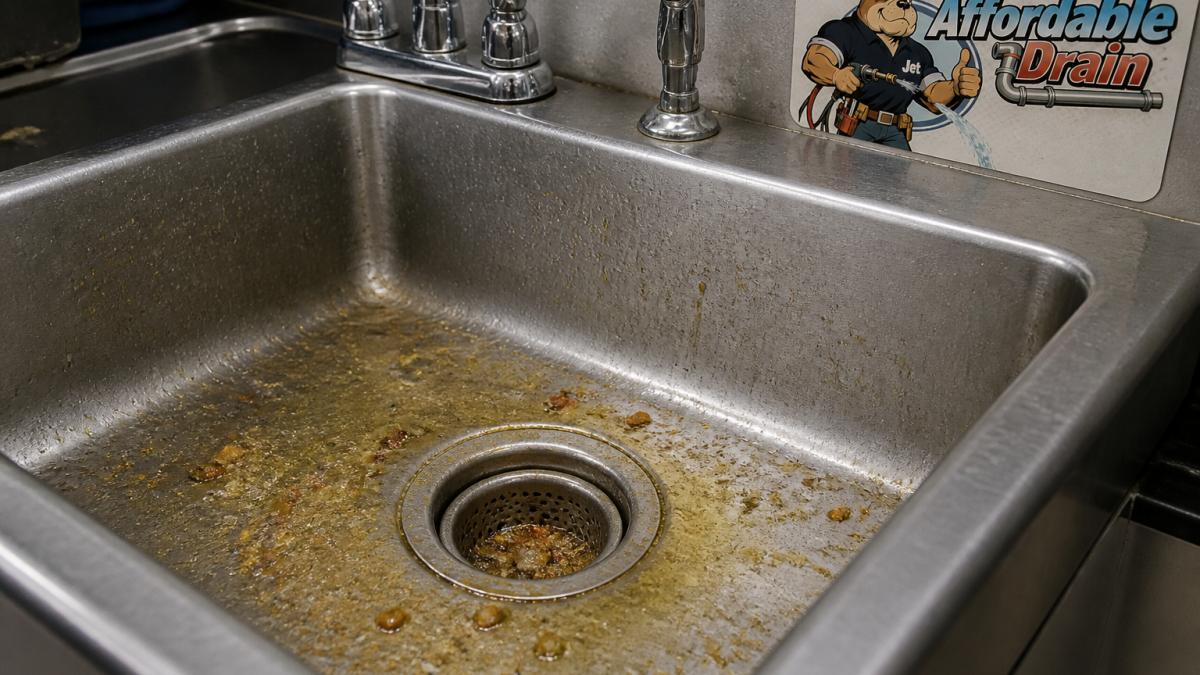
Clean your grease trap on a schedule, not when it overflows. A trap that's 75% full should be pumped. Most restaurants need pumping every 1-3 weeks depending on volume and cooking style.
Strain food solids at the sink. Install strainers in all kitchen sinks and empty them into the trash, not the drain.
Use hot water strategically. Hot water keeps grease liquid longer, allowing it to flow into the trap instead of solidifying in pipes.
Train staff on what goes down the drain. Establish a clear policy: only water, food scraps (in the strainer), and approved cleaning solutions go down drains. No grease poured directly, no wipes, no non-food items.
Document your maintenance. Keep records of every grease trap cleaning and pump-out. This creates a maintenance history that helps identify patterns and proves compliance if a health inspector asks.
A well-maintained grease trap extends the life of your entire sewer system and reduces emergency calls by months or years.
Most restaurants need grease trap service on a regular schedule based on their cooking volume and style.
| Situation | Pumping Frequency | Key Factor |
|---|---|---|
| Standard restaurant operation | Every 1-3 weeks | Volume and cooking style |
| High-volume kitchen with fried food | Weekly | Grease production rate |
| Trap at 75% capacity | Pump immediately | Prevent overflow into sewer |
| Trap allowed to fill completely | Too late | Grease discharges to sewer line |
Using Sewer Camera Inspection to Catch Problems Early
Sewer camera inspection is the most effective way to see what's actually happening inside your pipes. Instead of guessing based on symptoms, you get visual proof of blockages, buildup, cracks, and other problems.
A camera inspection works by feeding a small, waterproof camera down your sewer line. The camera sends real-time video to a monitor, allowing the technician to identify exactly where problems are and how severe they are. This precision matters because it determines whether you need a simple cleaning or a more involved repair.
For restaurants, camera inspection is especially valuable before major renovations or when you've inherited an older building. You'll know the condition of your sewer lines before they fail. Learn what cost of sewer camera inspection: what to expect can reveal about your system.
Schedule a camera inspection if:
- You're experiencing slow drains despite regular cleaning
- You've had multiple backups in the past year
- Your building is over 30 years old
- You're buying or leasing a new restaurant space
- You want a baseline before starting a preventive maintenance program
The inspection typically takes 1-2 hours and provides a detailed map of your sewer line condition. Many restaurants find that the information alone is worth the cost, it either confirms their maintenance is working or identifies a problem before it becomes an emergency.
Hydro Jetting for Commercial Drains: When and How It Works
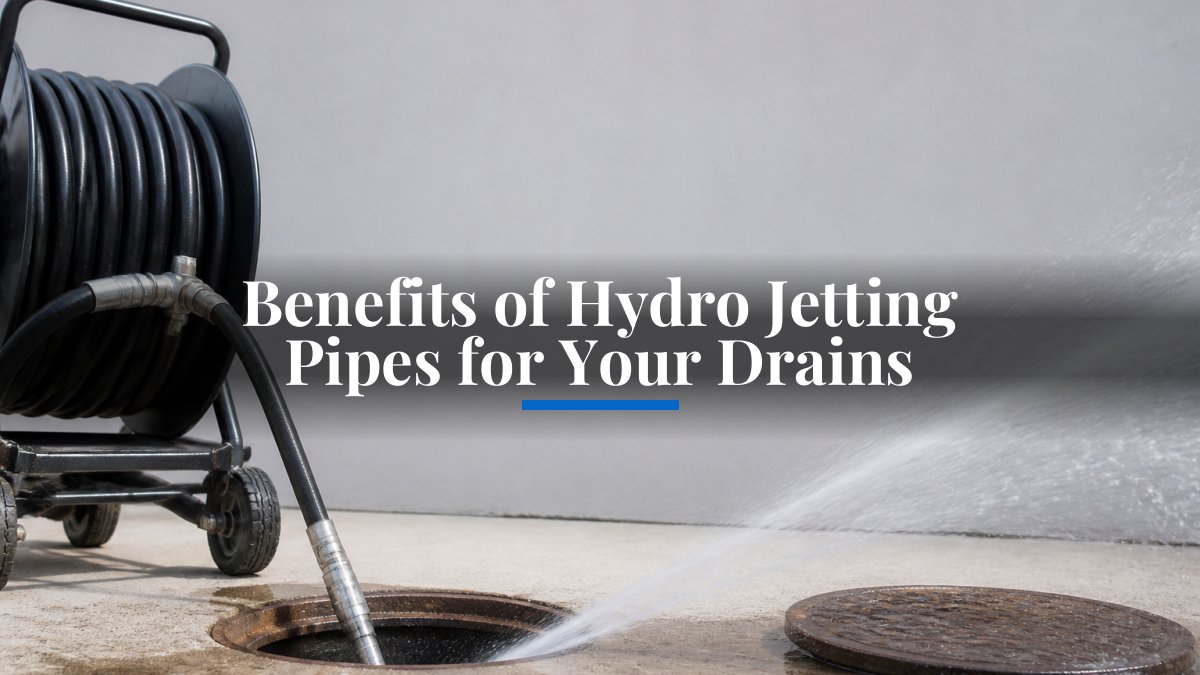
Hydro jetting uses high-pressure water to blast away grease, scale, and debris from inside your pipes. Unlike traditional snaking, which punches through blockages, hydro jetting cleans the entire pipe wall, restoring it to near-original capacity.
For restaurants, hydro jetting is often the most effective solution for heavy grease accumulation. It removes buildup that regular drain cleaning leaves behind, and it works on pipes that are partially blocked but not completely shut down.
How it works: A technician inserts a specialized nozzle into your drain line and pressurizes water to 3,000-4,000 PSI. The high-pressure stream cuts through grease, dislodges debris, and flushes everything toward the sewer main. The process is thorough and leaves pipes cleaner than they've been in years.
When to use hydro jetting:
- After a grease trap overflow sends grease into the sewer line
- When drains are slow despite regular cleaning
- Before major renovations to ensure full capacity
- As part of annual preventive maintenance for high-volume kitchens
Professional hydro jetting services: a how-to guide explains the process in detail and helps you understand what to expect.
The main limitation of hydro jetting is that it's a one-time cleaning, not a permanent solution. If grease continues to accumulate, drains will slow again. This is why hydro jetting works best alongside a strong maintenance routine, grease trap pumping, staff training, and regular inspections.
Reducing Commercial Drain Cleaning Downtime
Emergency drain cleaning means lost service hours, frustrated customers, and revenue impact. Planned maintenance eliminates most of these emergencies.
Schedule maintenance during slow periods. If your restaurant has predictable slow hours or days, schedule hydro jetting, camera inspections, and grease trap cleaning during those windows. A 2-hour maintenance visit during a Tuesday afternoon costs far less in lost revenue than an emergency call on a Friday night.
Coordinate with your grease trap service provider. Many providers can schedule cleaning on a regular day and time, creating a predictable routine. This consistency also helps you track patterns and catch problems early.
Communicate with your team. Staff awareness prevents many emergency calls. When everyone knows what shouldn't go down drains, blockages from improper disposal disappear. Train new hires on drain care as part of their onboarding.
Build a relationship with a local provider. A provider familiar with your restaurant's system, history, and volume can respond faster and often prevent emergencies through proactive recommendations.
Use camera inspection data. If a camera inspection reveals early-stage buildup or cracks, schedule hydro jetting or repairs before the problem becomes acute. Preventive work always costs less than emergency response.
The math is simple: a scheduled 2-hour maintenance visit costs a fraction of what an emergency closure costs in lost revenue, customer frustration, and rush fees.
Schedule Your Restaurant Sewer Line Inspection Today
Restaurant sewer line maintenance isn't something you handle alone. The systems are complex, the stakes are high, and the cost of getting it wrong is significant.
Affordable Drain has spent over 25 years helping restaurants in the Canton area maintain their sewer systems and avoid emergency closures. We use camera inspection to see exactly what's happening in your pipes, hydro jetting to restore full capacity, and preventive maintenance schedules to keep problems from happening in the first place.
If your restaurant is experiencing slow drains, backups, or you simply want to know the condition of your sewer system, commercial drain maintenance services: a Canton guide can help you schedule an inspection with a local team that knows your area.
The best time to address sewer line problems is before they shut down your kitchen. Contact us for a camera inspection and maintenance plan tailored to your restaurant's needs.
Sewer line problems don't announce themselves, they compound quietly until service stops. A proactive maintenance plan, built around regular grease trap cleaning, camera inspections, and professional hydro jetting when needed, prevents most emergencies. Affordable Drain helps restaurants in the Canton area stay operational by catching problems early and maintaining systems before they fail. Reach out today to schedule your restaurant sewer line inspection and get a maintenance plan that works for your operation.
Frequently Asked Questions
How often should a restaurant sewer line be cleaned?
Most restaurants benefit from sewer line cleaning every 6 to 12 months, depending on volume and grease production. High-volume establishments with heavy cooking may need quarterly cleaning. A sewer camera inspection helps determine your specific schedule by showing buildup patterns and condition. Regular maintenance prevents emergency backups that shut down operations.
What causes sewer line clogs in restaurants?
Grease is the primary culprit in restaurant sewer clogs. Cooking oils, fats, and food particles accumulate inside pipes and harden, restricting flow. Tree roots can also penetrate older lines, and food debris from prep areas adds to the blockage. Mineral deposits and scale buildup compound the problem over time, making preventive maintenance essential.
Can hydro jetting help maintain a restaurant sewer line?
Yes. Hydro jetting for commercial drains uses high-pressure water to blast away grease, buildup, and debris from pipe walls, restoring full flow. It's more effective than snaking for stubborn accumulation and reaches the entire interior of the line. Regular hydro jetting prevents clogs from forming and extends the life of your sewer infrastructure.
What should restaurant staff do if a sewer backup occurs?
Stop using all drains immediately to prevent further backup into the building. Alert management and call a professional drain service right away. Do not attempt DIY fixes with chemicals or tools, as these can damage pipes or spread contamination. A professional can diagnose the blockage with a camera inspection and clear it quickly, minimizing business disruption.
When should a restaurant schedule a sewer camera inspection?
Schedule a sewer camera inspection annually as part of preventive maintenance, or whenever you notice slow drains, backups, or unusual odors. New restaurant owners should inspect lines before taking over operations. If you've experienced recurring clogs, a camera inspection reveals the root cause and guides your maintenance strategy going forward.
How can sewer line maintenance reduce restaurant downtime?
Regular maintenance and hydro jetting prevent emergency backups that force you to close the kitchen. Scheduled cleaning happens on your timeline, not during a crisis. Sewer camera inspections identify problems before they become severe, allowing you to plan repairs during off-hours or slower periods rather than facing unexpected shutdowns.