 how-to
How to Clear Recurring Sewer Clogs
Table of Contents
- Why Sewer Clogs Keep Coming Back
- Main Sewer Line Clog Symptoms to Watch For
- DIY Methods for Clearing Recurring Sewer Clogs
- When to Call a Professional: Hydro Jetting Sewer Line Solutions
- Using a Sewer Line Camera Inspection to Identify Root Causes
- How to Prevent Sewer Line Clogs from Recurring
- Safety Precautions and When Professional Help Is Essential
- Frequently Asked Questions
Last Updated: October 16, 2026
Why Sewer Clogs Keep Coming Back
The frustration of having to clear recurring sewer clogs affects homeowners and business owners alike. The problem isn't always what you think it is. Most people assume a single clog means a single problem. But recurring clogs usually signal something deeper happening in your sewer line.
Tree roots are the most common culprit. They grow into cracks in your pipes searching for water. Once inside, they keep growing and trap debris. This creates blockages that return again and again. In Canton and surrounding areas, older homes often face this issue because their pipes are decades old and more prone to cracking.
Other causes include:
- Grease buildup that hardens over time
- Sagging pipes that collect debris
- Broken or collapsed pipe sections
- Mineral deposits narrowing the pipe interior
- Improper slope causing water to pool
The key insight: if you've cleared a clog twice in six months, DIY fixes alone won't solve it. You need to identify the root cause. That's where professional diagnosis comes in. At Affordable Drain, we've spent over 25 years helping homeowners in Canton understand why their drains keep backing up. The difference between a temporary fix and a permanent solution starts with knowing what's actually wrong.
Main Sewer Line Clog Symptoms to Watch For
Knowing when you have a main sewer line problem helps you act fast. A main sewer line clog affects your entire home's drainage. This is different from a single drain backing up in one bathroom.
Watch for these warning signs:
- Multiple drains backing up at once (toilets, showers, sinks)
- Slow drains throughout the house, not just one fixture
- Gurgling sounds coming from drains or toilets
- Sewage smell inside or outside your home
- Wet patches in your yard or basement
- Unusually green patches of grass (from sewage)
When you notice these symptoms, don't wait. A small problem becomes expensive fast. Water damage spreads. Sewage exposure creates health risks. The longer you delay, the worse the damage to your foundation and landscaping.
One symptom often overlooked: foundation cracks appearing near your sewer line. Sewage leaking into the soil weakens your foundation. This damage costs thousands to repair. Catching it early prevents catastrophic problems.
DIY Methods for Clearing Recurring Sewer Clogs
Before calling a professional, some methods work for minor clogs. These techniques help when you're dealing with a first-time blockage or partial slowdown. However, if you've already tried these and the clog came back, professional help is your next step.
Using a Drain Snake
A drain snake is a long, flexible tool that breaks up clogs. You feed it down the drain and twist or push to dislodge debris. For recurring sewer clogs, a standard snake may only clear the surface blockage, leaving the root cause untouched.
Here's how to use one:
- Insert the snake into the drain opening
- Push it forward while rotating the handle
- When you feel resistance, twist and push harder
- Pull the snake back slowly to remove debris
- Flush with hot water to clear remaining material
The limitation: snakes work best for clogs near the drain opening. They struggle with clogs deeper in the main line. Tree roots often defeat snakes because they're too thick and resilient. If your clog keeps returning after snaking, you likely have a root intrusion or structural damage that snaking can't fix.
Plunging and Water Pressure Techniques
A plunger forces air and water pressure into the drain to dislodge clogs. This works well for shallow blockages in sinks and toilets. For main sewer line clogs, plunging is rarely effective.
Basic plunging steps:
- Fill the sink or tub with enough water to cover the plunger cup
- Place the plunger over the drain opening
- Push down and pull up rapidly 15-20 times
- Check if water drains
- Repeat if needed
High-pressure water techniques use a jet to blast water into the line. These can help with grease or soft debris. However, they don't work on tree roots or broken pipes. High-pressure jets might even worsen damage if your pipes are already cracked.
Enzyme-Based Drain Cleaners
Enzyme cleaners use natural bacteria to break down organic material. They're safer than chemical cleaners and work slowly over hours or days. For recurring sewer clogs caused by grease or food waste, enzymes help.
The reality: enzyme cleaners address symptoms, not causes. If tree roots are blocking your line, enzymes won't help. If your pipe is cracked, enzymes won't repair it. These products work best as preventative maintenance, not as solutions for recurring problems.
When to Call a Professional: Hydro Jetting Sewer Line Solutions
Hydro jetting is a professional technique that uses high-pressure water to clean sewer lines. This method works where DIY approaches fail. A hydro jetting sewer line service clears stubborn debris, grease buildup, and even some root intrusions.
How hydro jetting works:
- A technician feeds a specialized nozzle into your sewer line
- Water pressure reaches 4,000 PSI (pounds per square inch)
- The jet blasts away debris and buildup from pipe walls
- The process clears the entire line, not just the clog
Hydro jetting is effective for:
- Grease accumulation in restaurant lines
- Mineral deposits restricting flow
- Soft debris and sediment
- Minor root intrusions
However, hydro jetting has limits. It won't repair a broken pipe. It won't stop roots from returning if cracks remain. For recurring sewer clogs caused by structural damage, hydro jetting alone isn't the answer.
Using a Sewer Line Camera Inspection to Identify Root Causes
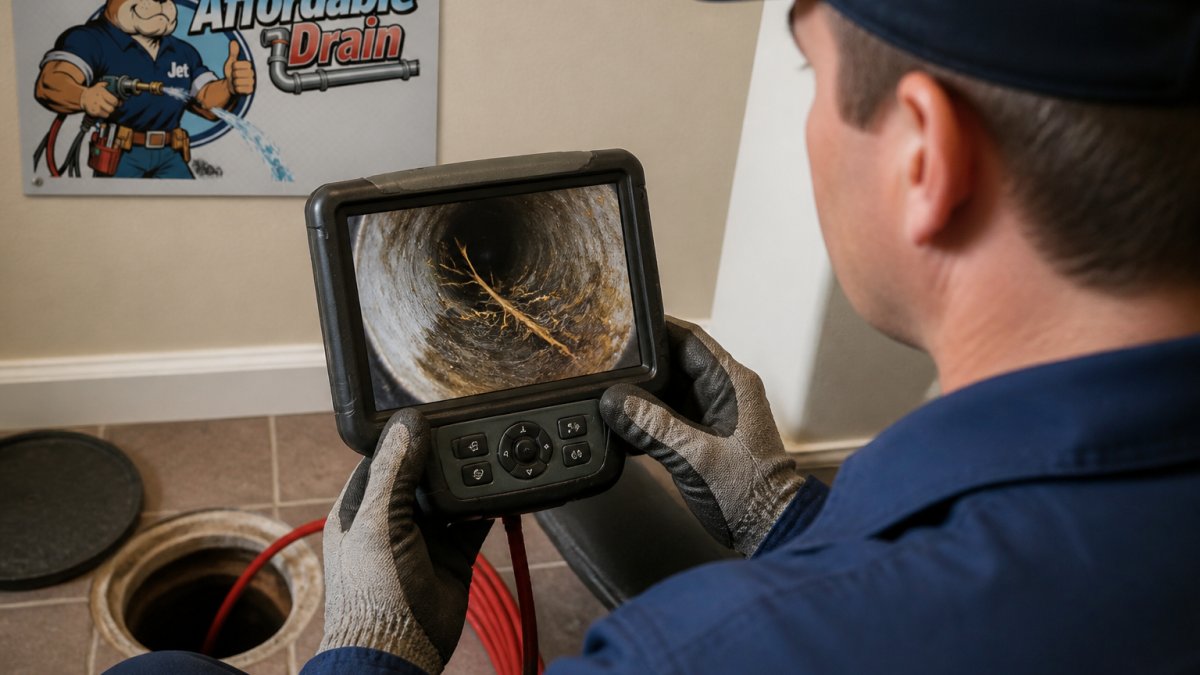
A sewer line camera inspection shows exactly what's causing your recurring sewer clogs. A small camera attached to a flexible cable travels through your pipes. The technician watches a live video feed on a monitor, seeing every crack, root, and obstruction.
This technology reveals:
- Tree root intrusions and their severity
- Broken or collapsed pipe sections
- Cracks where roots can enter
- Grease buildup and mineral deposits
- Pipe sagging or misalignment
- Joint separations where debris enters
Why this matters: you get proof of the problem before spending money on repairs. No guessing. No surprises. You know exactly what needs fixing.
According to the American Society of Civil Engineers guidance on sewer system assessment, camera inspections are the industry standard for diagnosing recurring drainage issues. This inspection typically costs far less than emergency repairs later.
Many homeowners in Canton use camera inspections before buying property. Real estate agents recommend them to buyers. The inspection protects your investment by revealing hidden sewer problems before you close the deal.
How to Prevent Sewer Line Clogs from Recurring
Prevention saves money and headaches. Once you understand what causes your recurring sewer clogs, you can take steps to stop them.
For tree root problems:
- Plant trees and shrubs away from sewer lines (at least 10 feet)
- Avoid planting willows, poplars, or maples near pipes
- Use root barriers if trees already exist near your line
- Schedule regular hydro jetting to remove roots before they block flow
For grease buildup:
- Never pour grease down drains
- Wipe pans and dishes with paper towels before washing
- Use drain screens to catch food particles
- Consider enzyme treatments monthly as maintenance
For general maintenance:
- Have your sewer line inspected every 3-5 years
- Address small issues before they become big problems
- Know where your sewer line runs on your property
- Keep records of any clogs or repairs
Preventative maintenance costs less than emergency service. A single emergency call often costs more than multiple preventative inspections over several years.
Safety Precautions and When Professional Help Is Essential
Working with sewer lines carries real risks. Sewage contains harmful bacteria and gases (the CDC). Improper handling creates health hazards and property damage.
Safety precautions for DIY work:
- Wear gloves and wash hands thoroughly afterward
- Avoid breathing fumes from drain openings
- Never enter a sewer line or confined space
- Use proper ventilation when working with drains
- Keep children and pets away from work areas
When to call a professional immediately:
- You see sewage backing up into your home
- You smell strong sewage odors inside
- Multiple drains are backing up simultaneously
- You've tried DIY methods and the clog returned
- You suspect tree roots or structural damage
- You need a sewer line camera inspection
- Your yard shows signs of sewage leakage
Professional technicians have training, equipment, and insurance. They handle hazardous situations safely. They diagnose problems you can't see. They use techniques like hydro jetting that require specialized equipment.
At Affordable Drain, our team brings 25+ years of experience serving Canton homeowners and businesses. We handle emergency situations quickly. We use advanced techniques like camera inspections and hydro jetting. We treat your home with the same care we'd give our own family.
Recurring sewer clogs signal an underlying problem that DIY fixes can't solve. Whether tree roots are invading your pipes, grease is building up, or your line has structural damage, the solution starts with accurate diagnosis. A professional sewer line camera inspection reveals the real issue. From there, targeted solutions like hydro jetting or pipe repair address the root cause, not just the symptom. Contact Affordable Drain for a professional assessment of your recurring sewer clog problem. We'll identify what's wrong, explain your options, and restore your drainage system to full function.
Frequently Asked Questions
Why does my sewer line keep getting clogged?
Recurring sewer clogs typically stem from tree root intrusion, grease buildup, or structural damage in your pipes. Tree roots naturally seek moisture and can penetrate even small cracks in older sewer lines, causing repeated blockages. Grease accumulation hardens over time and creates sticky buildup that traps debris. Collapsed or offset pipe sections also create low spots where solids settle. A sewer line camera inspection reveals the exact cause so you can address the root problem rather than treating symptoms repeatedly.
What are main sewer line clog symptoms I should recognize?
Multiple drains backing up simultaneously, toilets, showers, and sinks, signals a main sewer line issue rather than a single drain problem. You may notice slow drainage throughout the home, gurgling sounds from drains, sewage odors in your yard, or wet patches in your lawn. If you've cleared individual drains but problems persist across the house, the blockage is likely in the main line. Don't ignore these signs; they typically worsen and can lead to sewage backup into your home or foundation damage.
How does hydro jetting sewer line cleaning work better than snaking?
Hydro jetting uses high-pressure water streams (up to 4000 PSI) to blast away grease, mineral deposits, tree roots, and debris from pipe walls, not just punch a hole through the clog. A drain snake creates a path through the blockage but leaves residue on the pipe walls that can accumulate again. Hydro jetting cleans the entire interior surface, reducing the likelihood of recurrence. It's especially effective for grease buildup and root-infested lines.
Can I prevent recurring sewer clogs without expensive repairs?
Yes. Avoid flushing anything except toilet paper and human waste. Don't pour grease, oils, or fats down drains, they solidify and trap debris. Use drain screens to catch hair and food particles. Schedule annual hydro jetting maintenance if you have a history of clogs or older pipes. Plant trees away from sewer lines and have roots inspected regularly if you suspect intrusion. Regular enzyme-based drain treatments can help break down buildup before it becomes a blockage. A camera inspection identifies problems early, often preventing costly emergency repairs.