 how-to
Is Hydro Jetting Safe for Pipes? A Homeowner's Guide
Last Updated: October 23, 2026
Quick Summary
Is hydro jetting safe for pipes depends on your pipe material, age, and condition. When applied correctly by a trained professional after a camera inspection, hydro jetting is safe and highly effective. However, it can damage pipes that are already compromised, particularly old clay, cast iron, or Orangeburg pipes.
- Hydro jetting pressure typically ranges from 1,500 to 4,000 PSI and should be adjusted based on pipe material.
- A sewer camera inspection before hydro jetting is essential to assess pipe condition and determine if it can handle the pressure.
- Old pipes built before 1980 made of clay, cast iron, or Orangeburg require lower pressure (1,200-1,500 PSI) or alternative methods.
- Snaking is a gentler alternative that works well for single clogs but doesn't clean pipe walls like hydro jetting does.
- Never attempt DIY hydro jetting, as rental equipment can deliver pressures that destroy residential pipes.
Table of Contents
- Is Hydro Jetting Safe for Pipes? What You Need to Know
- Can Hydro Jetting Damage Pipes?
- Hydro Jetting for Old Pipes: Special Considerations
- Sewer Camera Inspection Before Hydro Jetting
- Hydro Jetting vs. Snaking: Which Is Safer?
- Safety Precautions Professional Technicians Take
- When to Choose Hydro Jetting and When to Avoid It
- Frequently Asked Questions
Is Hydro Jetting Safe for Pipes? What You Need to Know
Hydro jetting is one of the most effective ways to clear stubborn clogs and restore drainage flow. But the question homeowners ask most often is whether is hydro jetting safe for pipes. The answer isn't a simple yes or no, it depends on your pipe material, age, and condition.
At Affordable Drain, we've cleaned hundreds of sewer lines across Canton and Stark County. We use hydro jetting when it's the right tool for the job, and we recommend alternatives when it isn't. Here's what you need to know to make an informed decision about your drainage system.
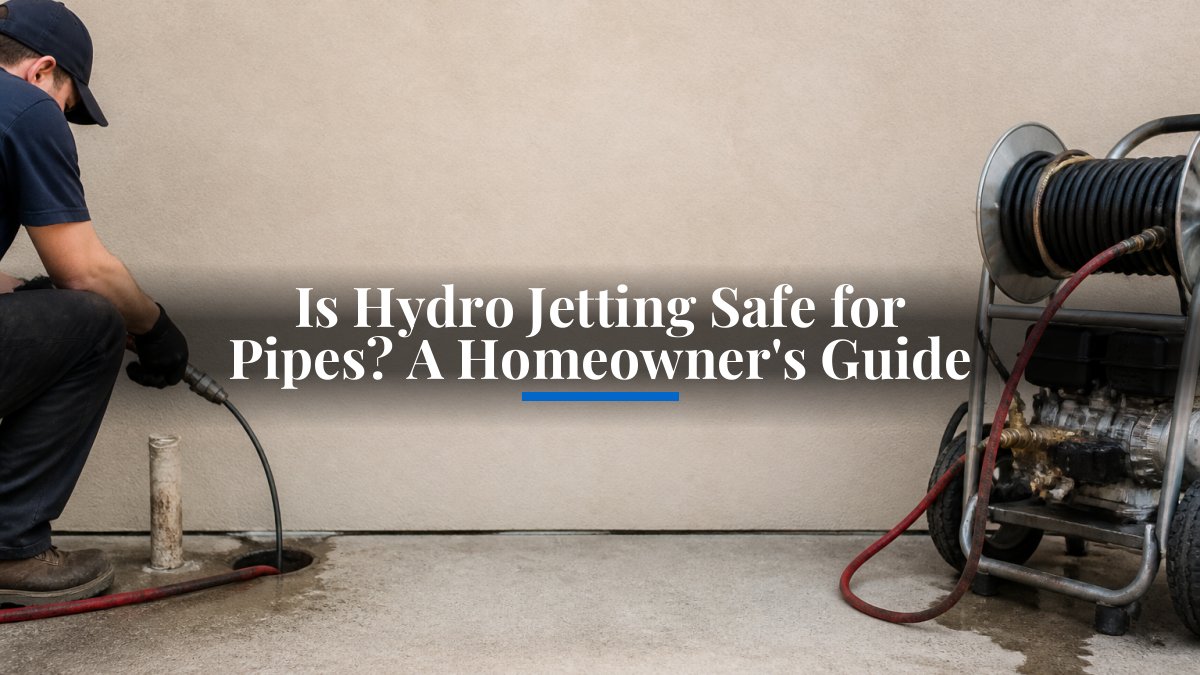
Hydro jetting is a cleaning method that uses high-pressure water streams to blast away buildup inside pipes. The pressure typically ranges from 1,500 to 4,000 PSI. When applied correctly by a trained professional, it's safe and highly effective. When applied incorrectly, or to pipes that can't handle it, it can cause damage.
The key is matching the method to your specific situation. That's where a camera inspection before hydro jetting becomes essential.
Can Hydro Jetting Damage Pipes?
Yes, hydro jetting can damage pipes if conditions aren't right. But this rarely happens when a professional assesses your system first.
The main risk is to pipes that are already compromised. If your pipes have cracks, thin spots, or weak joints, high-pressure water can enlarge those problems. Old clay pipes and cast iron pipes with corrosion are particularly vulnerable.
Here's what matters:
- Pressure matters. Lower pressure (1,500-2,000 PSI) works for most residential lines. Higher pressure is reserved for heavy buildup or commercial applications.
- Nozzle selection is critical. Different nozzle types direct water differently. A professional chooses the right nozzle for your pipe material and the clog type.
- Direction and angle affect safety. Pointing the nozzle the wrong way can damage pipe walls instead of cleaning them.
- Pipe age and material determine risk. Older pipes need gentler treatment.
A common mistake is assuming all pipes can handle hydro jetting. They can't. This is exactly why a sewer camera inspection before hydro jetting should be your first step.
Hydro Jetting for Old Pipes: Special Considerations
Old pipes need special care. If your home was built before 1980, your sewer line is likely made of clay, cast iron, or Orangeburg pipe, materials that don't respond well to high pressure.
Clay pipes were standard for decades. They're durable but brittle. High-pressure water can crack them or widen existing fractures.
Cast iron pipes corrode over time. The interior develops thin spots and pitting. Hydro jetting can punch through these weak areas.
Orangeburg pipe (asphalt-coated wood fiber) is especially fragile. It was used from the 1940s through 1970s. High pressure can collapse or shred it.
For older pipes, hydro jetting is still possible, but only at lower pressures (1,200-1,500 PSI) and only after a camera inspection confirms the pipe can handle it.
For older pipes, a combination approach may work best:
- Start with mechanical snaking to break up the main clog
- Follow with low-pressure hydro jetting to clean the walls
- Use a camera inspection afterward to confirm success
If your pipes are truly fragile, your professional may recommend alternatives like regular maintenance cleaning or addressing the root cause (tree roots, settling, etc.) instead.
Sewer Camera Inspection Before Hydro Jetting
This is the single most important step. A sewer camera inspection before hydro jetting tells you exactly what you're dealing with.
A camera inspection is a video probe sent through your pipes. It shows cracks, tree root intrusion, buildup, pipe material, and structural damage. You see the problem in real time on a monitor.
This inspection answers critical questions:
- What is your pipe made of?
- How old is it?
- Are there existing cracks or damage?
- What type of clog are you dealing with?
- Can the pipe handle hydro jetting pressure?
Without this information, recommending hydro jetting is guesswork. With it, your technician can make a safe, informed decision.
At Affordable Drain, we always perform a camera inspection before suggesting hydro jetting. It protects you and ensures we choose the right method for your specific situation. Customers often appreciate seeing the problem on screen, as it can remove doubt about whether the service is necessary.
The inspection also gives you use if you decide to get a second opinion. You have documentation of your pipe's condition.
Hydro Jetting vs. Snaking: Which Is Safer?
Both methods are safe when used appropriately. The question is which one fits your situation.
Snaking uses a rotating cable with a cutting head. It breaks through clogs mechanically. It's gentler on pipes because it doesn't use high pressure. It works well for single clogs and tree roots.
The downside: snaking clears the blockage but doesn't clean the pipe walls. Buildup remains. Clogs often return within months.
Hydro jetting uses water pressure to blast away buildup completely. It cleans the entire interior surface of the pipe. Results last longer because the pipe is truly clean.
The downside: it requires pressure, which means your pipe must be healthy enough to handle it.
Here's how to think about it:
- Choose snaking if: Your pipes are old or fragile, you have a single clog, you want the gentlest option
- Choose hydro jetting if: Your pipes are in good condition, you have recurring clogs, you want a long-lasting clean
Many professionals recommend snaking first to clear the immediate blockage, then hydro jetting at lower pressure to clean the walls. This gives you the benefits of both methods with lower risk.
The safest choice depends on your specific pipes. That's why the camera inspection matters.
Safety Precautions Professional Technicians Take
Professional hydro jetting is safe because technicians follow strict protocols. Here's what proper safety looks like:
Pre-service inspection. Before any water goes in the pipes, a professional runs a camera inspection. No exceptions.
Pressure assessment. Your technician determines the maximum safe pressure for your pipes based on material, age, and condition.
Equipment calibration. Professional equipment includes pressure gauges and controls. The operator can adjust pressure in real time.
Proper nozzle selection. Different nozzles create different spray patterns. A professional chooses based on your pipe type and the clog type.
Protective gear. Technicians wear gloves, eye protection, and sometimes respiratory protection. Wastewater can contain bacteria and gases.
Line location. Before digging, your technician locates buried lines to avoid hitting electrical, gas, or water lines.
Venting. Sewer lines contain gases. Proper venting prevents pressure buildup that could damage pipes or harm the operator.
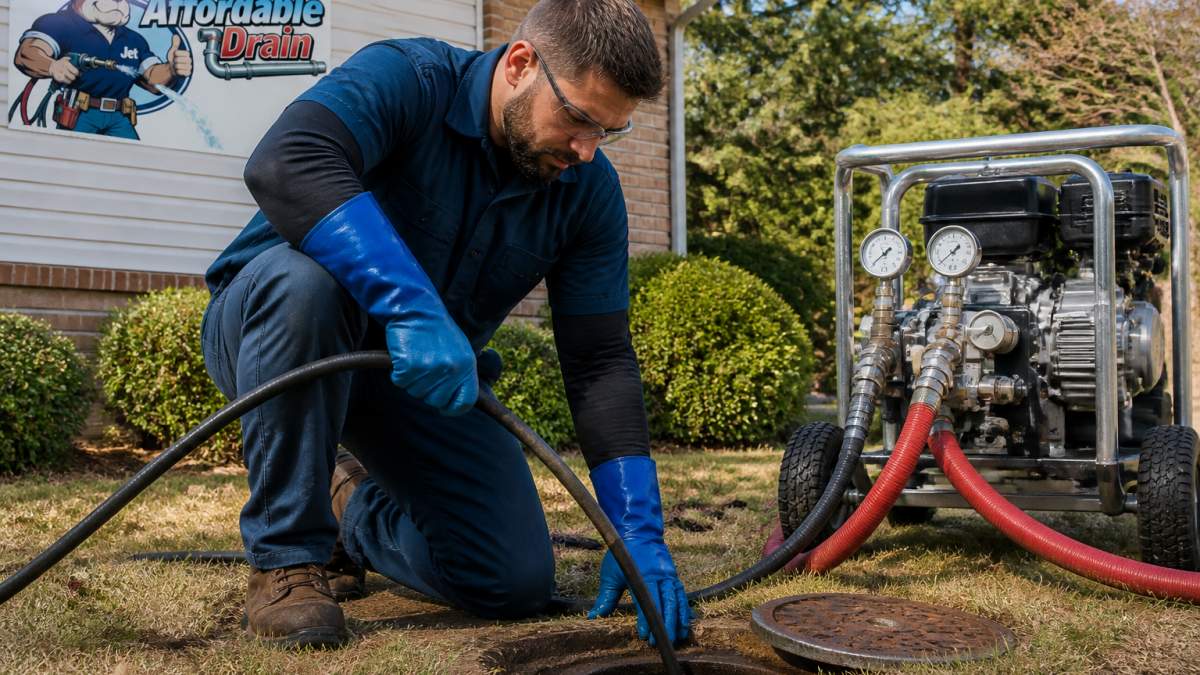
Post-service verification. After hydro jetting, many professionals run a follow-up camera inspection to confirm the job was done safely and effectively.
These steps take time and cost money. A technician who skips them is cutting corners on your safety and your pipes' safety.
When to Choose Hydro Jetting and When to Avoid It
Choose hydro jetting when:
- Your pipes are in good condition (confirmed by camera inspection)
- You have recurring clogs from grease, mineral buildup, or debris
- Your pipes are modern (PVC, concrete, or newer cast iron)
- You want a thorough, long-lasting clean
- A professional recommends it after inspecting your system
Avoid hydro jetting when:
- Your pipes are old and fragile (pre-1980 clay, cast iron, or Orangeburg)
- A camera inspection reveals cracks or structural damage
- Your pipes have weak joints or previous repairs
- You have a simple single clog that snaking can handle
- You're unsure about your pipe condition
The decision should always be based on facts, not on what sounds most impressive or costs less upfront. A professional who takes time to inspect your system and explain the risks and benefits is giving you honest advice.
Prevention through proper inspection is far cheaper than repairs.
Hydro jetting is a powerful tool when used correctly. The safety question isn't about the method itself, it's about whether your specific pipes can handle it. That's why Affordable Drain always starts with a camera inspection. We want to solve your drainage problem safely and permanently, not create new ones.
If you're dealing with recurring clogs or slow drains in Canton or Stark County, call us for an inspection. We'll show you exactly what's happening inside your pipes and recommend the safest, most effective solution. No guessing. No pressure. Just honest diagnosis and professional service.
Frequently Asked Questions
Can hydro jetting damage my pipes?
Hydro jetting is generally safe when performed by professionals on pipes in good condition. The high-pressure water stream can cause problems only if pipes already have cracks, severe corrosion, or structural damage. This is why a camera inspection before hydro jetting is essential. Professional technicians adjust water pressure based on pipe material and age, reducing risk significantly. Older cast iron or clay pipes require lower pressure settings than modern PVC.
Is hydro jetting safe for old pipes?
Old pipes require extra caution during hydro jetting. Pipes installed before the 1980s, particularly cast iron, clay, or galvanized steel, are more vulnerable to pressure damage. A professional should always inspect these pipes with a camera first to assess their condition. If pipes show significant deterioration, corrosion, or previous breaks, snaking or other methods may be safer. When hydro jetting is appropriate for old pipes, technicians use lower pressure settings to protect the aging infrastructure.
What's the difference between hydro jetting and snaking?
Snaking uses a rotating metal cable to break up clogs mechanically, while hydro jetting uses high-pressure water to flush debris away. Hydro jetting is more thorough and cleans pipe walls completely, but snaking is gentler on fragile pipes. For newer pipes in good condition, hydro jetting provides superior results and longer-lasting clogs prevention. For older or damaged pipes, snaking may be the safer first choice. A professional inspection helps determine which method suits your specific situation.
Why is a sewer camera inspection important before hydro jetting?
A camera inspection reveals the true condition of your pipes before applying high-pressure water. It identifies cracks, breaks, corrosion, tree root intrusion, and structural damage that could worsen under pressure. This inspection protects you by preventing unnecessary damage and ensuring hydro jetting is the right choice. It also helps technicians set appropriate pressure levels for your specific pipe material and condition. Without this step, you risk expensive repairs that could have been avoided.