 how-to
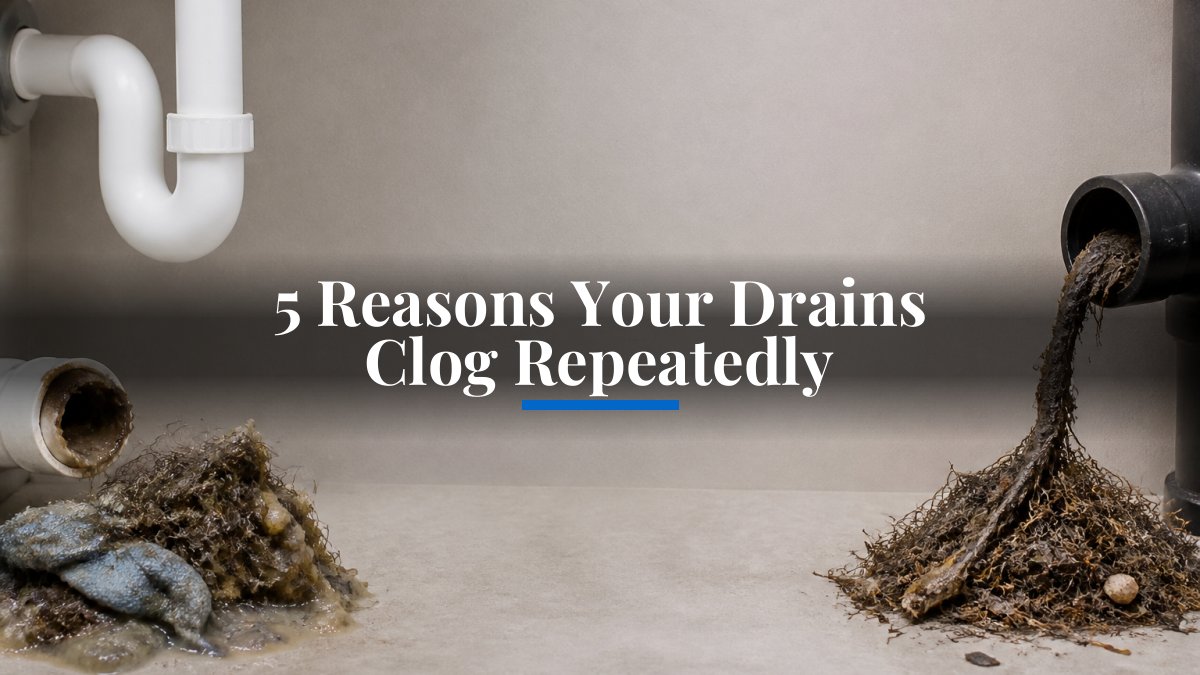
5 Reasons Your Drains Clog Repeatedly
Last Updated: October 26, 2026
Quick Summary
Drains clog repeatedly because of deeper plumbing issues like hair and soap buildup, grease accumulation, tree roots infiltrating sewer lines, or aging corroded pipes. Understanding the root cause is essential to stop the problem permanently rather than treating clogs temporarily.
- Hair combines with soap residue to create sticky buildup that traps debris over weeks or months
- Hot grease solidifies as it cools, sticking to pipe walls and catching food particles repeatedly
- Tree roots enter through cracks in older pipes and create web-like blockages that require professional removal
- Homes built before 1980 have older pipes prone to corrosion that creates rough spots where debris accumulates
Table of Contents
- Why Do Drains Clog Repeatedly: The Root Causes
- Recognizing Sewer Line Clog Symptoms Before They Worsen
- How to Prevent Drain Clogs From Returning
- Why Hydro Jetting for Clogged Drains Works Better Than Snaking
- What a Sewer Camera Inspection Reveals About Repeated Clogs
- When DIY Fixes Fall Short and Professional Help Is Necessary
- Schedule Your Drain Assessment Today
- Frequently Asked Questions
Why Do Drains Clog Repeatedly: The Root Causes
If your drains keep backing up despite your best efforts, you're not alone. Many homeowners in the Canton area deal with repeated clogs that seem to return just weeks after being cleared.
Repeated clogs rarely happen by accident. They're almost always a sign that something deeper is going wrong in your plumbing system. At Affordable Drain, we've diagnosed many recurring clogs over our 25+ years serving the community, and the patterns are clear.
The good news: once you understand what's causing your drains to clog repeatedly, you can take action to stop it. Let's walk through the most common reasons this happens.
Hair and Soap Buildup
Hair is the most obvious drain clog culprit, but it's rarely the whole story. When hair combines with soap residue, it creates a sticky, matted mass that traps other debris. This buildup happens slowly over weeks or months, which is why clogs often seem to appear suddenly.
The problem gets worse in bathrooms with multiple users. Each shower adds more hair to the mix. Over time, the clog grows thicker and tighter. A plunger might clear it temporarily, but the underlying buildup remains.
To slow hair accumulation:
- Use drain screens or strainers in all bathroom drains
- Clean screens weekly
- Pull out visible hair clumps regularly
- Avoid rinsing pet hair down the drain
Grease and Food Debris
Kitchen drains clog repeatedly for a different reason: grease. When you pour hot grease down the drain, it flows easily at first. But as it cools, it solidifies and sticks to the pipe walls. Food particles get trapped in this grease layer, building up over time.
This is why kitchen clogs are often stubborn. The grease coating makes it hard for water to flow, and it keeps catching new debris. Even if you clear the clog, the grease stays behind, ready to trap the next batch of food scraps.
Prevent kitchen clogs by:
- Never pouring grease directly down the drain
- Wiping pans and dishes with paper towels before washing
- Using a sink strainer to catch food particles
- Running hot water after meals (but don't rely on it alone)
Tree Roots Infiltrating Sewer Lines
This is where repeated clogs become serious. Tree roots naturally seek out moisture, and your sewer line is like a magnet for them. Roots can enter through tiny cracks or loose joints in older pipes. Once inside, they grow and create a web-like blockage that catches everything passing through.
If you suspect tree roots, look for these signs:
- Clogs that return every few months
- Slow drains throughout the entire house
- Wet spots or unusually green patches in your yard
- Sewage smell near your home
Tree root clogs won't go away with a plunger. You need professional help to remove them. For a deeper dive into this specific issue, explore how tree roots cause sewer line clogs to understand your options.
Aging or Corroded Pipes
Older pipes develop problems that newer plumbing doesn't. Corrosion creates rough spots inside the pipe where debris catches and accumulates. Cast iron pipes can rust from the inside out, leaving a bumpy surface that traps hair, grease, and soap.
Galvanized steel pipes corrode over time too. As the interior degrades, the pipe opening narrows, making clogs more likely. In some cases, pieces of corroded pipe break off and create blockages downstream.
If your home was built before 1980, your pipes are likely older. This alone doesn't mean you'll have constant clogs, but it's a factor worth investigating.
Repeated clogs stem from several common issues in your plumbing system.
| Cause | What Happens | Prevention |
|---|---|---|
| Hair and soap buildup | Hair combines with soap residue, trapping debris over weeks or months | Use drain screens, clean weekly, pull out visible hair |
| Grease and food debris | Hot grease solidifies as it cools, sticking to pipe walls and trapping food | Never pour grease down drain, wipe pans with paper towels first |
| Tree roots in sewer lines | Roots enter through cracks and create web-like blockages | Inspect yard for wet spots, green patches, sewage smell |
| Aging or corroded pipes | Corrosion creates rough spots where debris catches and accumulates | Check if home built before 1980, investigate pipe condition |
Recognizing Sewer Line Clog Symptoms Before They Worsen
Catching a sewer line clog early stops it from becoming a major problem. The warning signs are easy to spot if you know what to look for.
Start by paying attention to how your drains behave. A single slow drain might just be hair buildup.
Listen for gurgling sounds coming from drains or toilets. This noise happens when air gets trapped behind a blockage. You might also notice bad smells coming from drains, yard, or septic area.
Watch your yard too.
The key is acting fast. Small issues become expensive ones when ignored. For a complete guide on recognizing these warning signs, learn about sewer line damage symptoms so you can catch problems early.
How to Prevent Drain Clogs From Returning
Prevention is always easier than fixing a clog. Once you understand what causes drains to clog repeatedly, you can build habits and routines that keep your system running smoothly.
Daily Habits That Protect Your Drains
Your daily choices directly impact your drain health. Small changes add up to major improvements.
Start in the bathroom. Use drain screens in every sink, shower, and tub. These catch hair before it enters your pipes. Clean the screens weekly so water flows freely.
In the kitchen, scrape dishes into the trash before washing. Wipe greasy cookware with paper towels first.
Avoid flushing anything except toilet paper and human waste (the EPA). Wet wipes, feminine hygiene products, and paper towels don't break down like toilet paper.
Watch what you put down garbage disposals. They're helpful tools, but they're not magic. Hard items like bones, corn cobs, and fibrous vegetables should go in the trash.
Maintenance Tasks to Schedule Regularly
Regular maintenance catches problems before they become emergencies. Set a schedule and stick to it.
Once a month, pour boiling water down your drains. This helps dissolve soap and grease buildup.
Every few months, check your drains for slow flow. Run water and listen for gurgling. If you notice any change, address it right away. A small clog is easy to clear.
If you have trees near your sewer line, inspect your yard regularly. Look for soft spots, unusually wet areas, or patches of extra-green grass. These can signal root intrusion.
Consider scheduling a professional drain cleaning every 1-2 years, depending on your home's age and history. This keeps your system clear and helps identify potential problems.
Why Hydro Jetting for Clogged Drains Works Better Than Snaking
When DIY methods fail, you need professional equipment. Two main tools clear stubborn clogs: snakes and hydro jetting.
A drain snake is a flexible auger that breaks up clogs by rotating or pushing through the blockage.
Hydro jetting uses high-pressure water to blast away buildup.
The result: clogs stay cleared longer. You get months or even years of trouble-free drainage instead of dealing with the same problem again in a few weeks.
Hydro jetting works best for:
- Heavy grease buildup in kitchen drains
- Soap and hair accumulation in bathroom pipes
- Mineral deposits in older homes
- Preventative maintenance on main sewer lines
For a complete explanation of how this process works and when to use it, explore professional hydro jetting services to understand if it's right for your situation.
What a Sewer Camera Inspection Reveals About Repeated Clogs
A sewer camera inspection gives you the truth about what's happening inside your pipes. Instead of guessing, you see the actual problem.
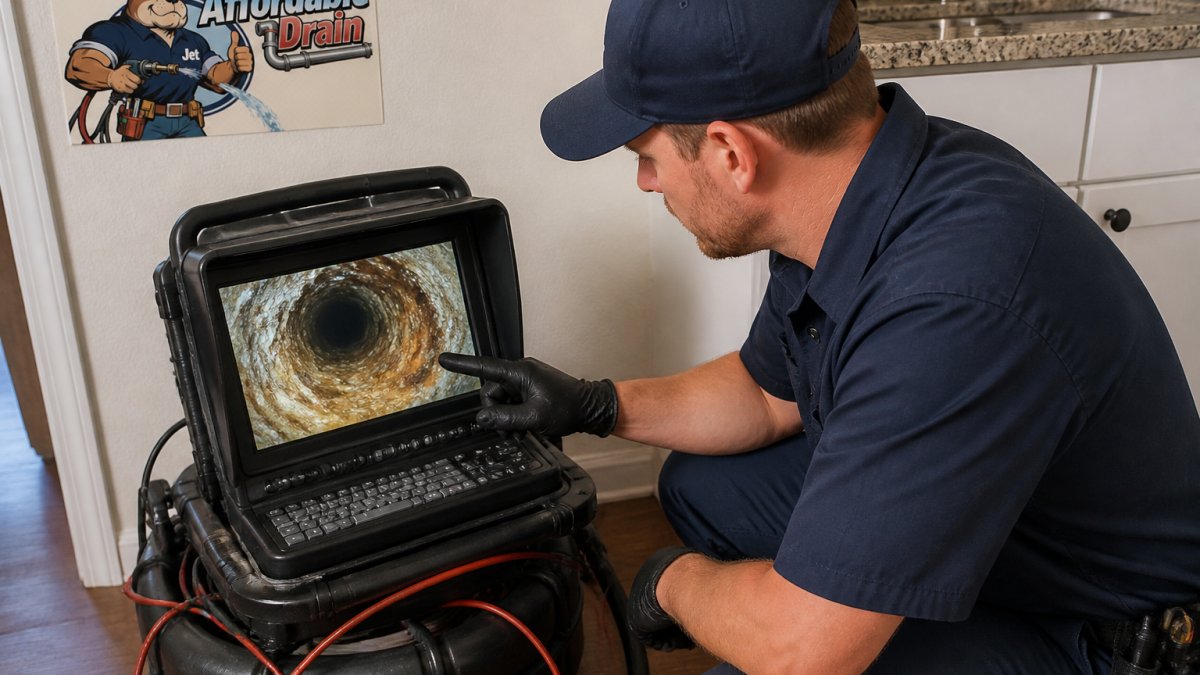
The camera is a small, waterproof device attached to a flexible cable.
This matters because the visible symptom (a slow drain) might not match the actual cause.
Camera inspections help answer the question: why do drains clog repeatedly in your specific home?
The inspection also helps with decisions about repairs. If roots are the problem, you know you need root removal or line replacement.
For details on what these inspections reveal and what they cost, learn more about sewer camera inspection pricing and details.
When DIY Fixes Fall Short and Professional Help Is Necessary
Some clogs respond to plungers, drain cleaners, or snakes. Others don't. Knowing when to call a professional saves time, money, and frustration.
Call a professional if:
- The clog returns within a few weeks of clearing it
- Multiple drains are slow or backing up
- You see or smell sewage
- Your yard has wet spots or unusual growth
- DIY methods haven't worked after two attempts
- You suspect tree roots or pipe damage
- Your home is over 40 years old and has never had the main line cleaned
Professional plumbers have tools and expertise homeowners don't. They can identify problems that aren't obvious. They can clear clogs that won't respond to store-bought solutions. And they can recommend repairs that prevent future clogs.
At Affordable Drain, we've helped many homeowners in the Canton area stop dealing with recurring clogs. We use advanced techniques like hydro jetting and camera inspections to diagnose and solve issues efficiently. How to clear recurring sewer clogs covers more options when professional help becomes necessary.
Schedule Your Drain Assessment Today
Repeated clogs are frustrating, but they're also fixable. The key is understanding what's causing them and taking action before the problem gets worse.
If you're dealing with clogs that keep coming back, don't wait. The longer you ignore the problem, the more expensive it becomes. A small issue today becomes a major repair tomorrow.
Affordable Drain serves homeowners and businesses throughout the Canton area with honest, reliable service. We'll diagnose your drain problem accurately, explain your options clearly, and fix it right. Our team uses proven techniques to restore flow and prevent future clogs. Contact us for a professional assessment and get your drains working properly again.
Frequently Asked Questions
Why do my drains keep clogging even after I have them cleaned?
Repeated clogs usually signal an underlying problem that surface cleaning doesn't address. Common causes include tree roots growing into sewer lines, corroded or damaged pipes that trap debris, grease buildup deeper in the line, or structural issues that restrict flow. A professional sewer camera inspection identifies the real problem so you can fix it permanently rather than treating symptoms.
What are the most common sewer line clog symptoms I should watch for?
Watch for multiple drains backing up simultaneously, slow drainage throughout the house, gurgling sounds from toilets or drains, persistent bad odors from drains, wet spots in your yard, or sewage backing into your home. If you notice these sewer line clog symptoms, don't wait, they indicate a serious blockage that will only worsen and become more expensive to repair.
How can I prevent drain clogs from happening in the first place?
To prevent drain clogs, avoid pouring grease down kitchen drains, use drain screens to catch hair and food, don't flush anything except toilet paper, run hot water weekly to break up buildup, and have your sewer line inspected annually if your home is older or surrounded by trees. These simple habits stop most clogs before they start and save you money on emergency calls.
Is hydro jetting for clogged drains worth the cost compared to regular snaking?
Hydro jetting for clogged drains uses high-pressure water to blast away buildup completely and clean pipe walls, while snaking only pokes a hole through the blockage. Jetting prevents clogs from returning as quickly, works on stubborn debris that snaking can't reach, and handles grease and mineral deposits better. For recurring clogs, jetting provides longer-lasting results despite higher upfront cost.
Recurring drain clogs signal an underlying problem that won't go away on its own. Whether it's grease buildup, tree roots, or aging pipes, the solution depends on the cause. Affordable Drain's expert diagnosis and advanced techniques like hydro jetting and camera inspection pinpoint the exact issue and fix it permanently. Stop dealing with clogs that return. Get professional help and restore your drainage system for good.